
Machining vs Alternatives: Which Process Path Wins for Your Part?
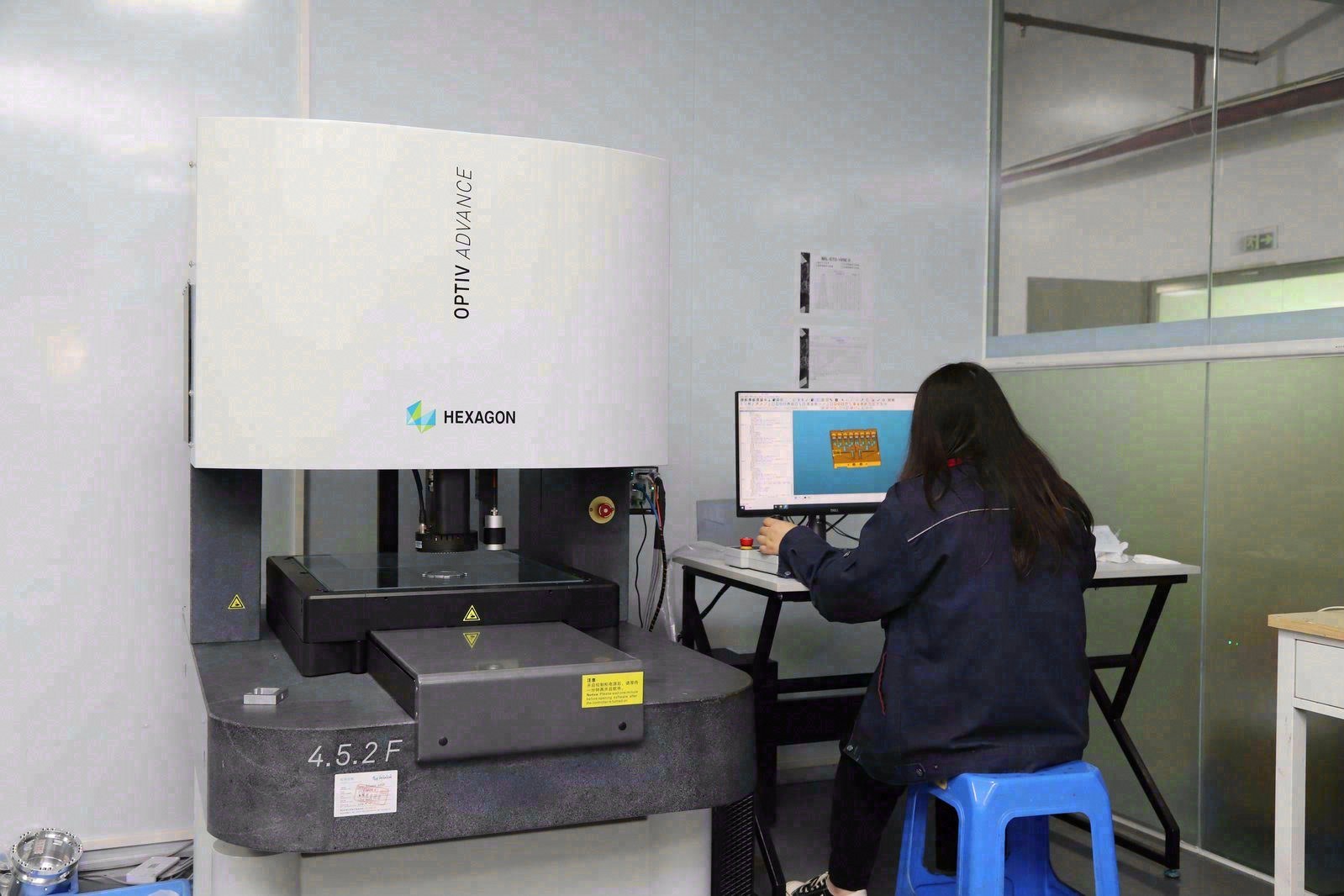
There is no single best manufacturing process, only the right process for a given part at a given quantity. The same bracket can be machined from solid aluminum, cast, or printed in metal, and all three will look similar in a photograph while differing wildly in price, tolerance, material properties, and lead time. Machining sits at one end of that spectrum: subtractive, precise, and economical at low to mid volume. This guide compares machining against its real alternatives — 3D printing, casting, and forming — on the axes that matter: geometry, material, tolerance, and quantity, so the process path you choose is the one that wins for your part.
What does the process-path decision actually depend on?
Every process comparison reduces to five variables, and a buyer who settles them in order gets the routing right most of the time. The first is geometry: does the part have internal channels or undercuts that only additive can reach, or is it a conventional solid that a cutter can reach? The second is material: does the part need a wrought alloy's mechanical properties, or is a cast or printed microstructure acceptable? The third is tolerance: which features must hold a tight band, and which process holds them? The fourth is quantity: how many parts will amortize the fixed cost of tooling or programming? The fifth is the part's downstream life — does it get ground, coated, heat-treated, or assembled against another component?
Working the variables in that order prevents the two most common sourcing errors. The first is over-engineering the process: specifying metal printing for a bracket that a mill would cut for a fraction of the price. The second is under-specifying the material: choosing a process whose microstructure and properties do not match what the part must do in service. Both errors are routing errors — the geometry, material, and quantity were not matched to a process before the RFQ went out.
When does machining beat 3D printing, and when does printing win?
Metal and plastic 3D printing are real alternatives for a narrow set of geometries, and a poor substitute for most machined parts. Printing wins where machining physically cannot go: internal cooling channels that curve through a part, lattice structures for lightweighting, and organic forms that would need many setups and wasteful stock removal to machine. For those parts, printing plus finish machining is the right route, and milling alone is not an option.
For a conventional bracket, housing, or shaft, machining rarely loses the comparison. The as-printed surface is rough — typically well above a machined finish — and the tolerance of an as-printed part is much looser than ±0.003 mm, so the printed part almost always needs machining on its functional faces anyway. Metal powder is expensive, build rates are slow, and at the quantities where most machined parts are bought, the per-piece cost of printing is far above machining. Printing also brings its own material story — powder certification, build-lot traceability, and a microstructure different from wrought stock — which is a documentation burden, not a relief.
The buyer takeaway is a division of labor, not a contest. If the design exploits what only additive can do — internal channels, lattice, organic form — print it and finish-machine the critical faces. If the part is a conventional component in a standard alloy, machining is faster, cheaper, and more predictable, and it delivers the wrought properties a drawing usually assumes.
When does casting beat machining, and when does it not?
Casting is the classic high-volume alternative to machining from solid. The economics are simple: casting has a high fixed cost — the pattern and tooling — and a low per-part cost once running, so it wins at volume. Machining has a low fixed cost — programming and fixturing — and a per-part cost that does not fall much with quantity, so it wins at low to mid volume. The crossover point sits in the thousands-of-pieces range for most geometries, which is why low-volume buyers of parts that could be cast are usually better served by machining.
There are two more considerations beyond price. The first is tolerance: as-cast dimensions typically hold ±0.5 mm or looser, which is why functional faces on cast parts — sealing surfaces, bearing bores, mounting faces — are almost always finish-machined after casting. A "cast part" is therefore often really a cast-plus-machined part, and the comparison must carry both costs. The second is material: casting delivers a cast microstructure, which differs from wrought stock in grain structure and mechanical properties, and some alloys and tempers are only available as wrought material. When the drawing assumes a wrought property, machining from stock is not an alternative to casting — it is the only way to get the specified material.
The buyer rule for casting is the tooling test. Will the quantity amortize the pattern cost against the per-piece saving over machining? If yes, and the geometry suits a casting process, cast and machine the functional faces. If not, machine from stock and skip the tooling entirely — the parts will be in your dock months earlier and you will have spent less per part.
Which of the machining routes inside a shop wins for your part?
The process decision is not only machining versus alternatives; it is also which machining route a part takes inside a shop. Milling is the natural home for prismatic features — faces, pockets, slots, and hole patterns on brackets and housings. Turning is the natural home for round features — diameters, bores, and shoulders where the part spins and concentricity is controlled in one setup. Mill-turn machining combines both on one machine for parts that are part-cylinder and part-prismatic, cutting the part once instead of transferring it between operations. Grinding is the finishing operation for the features that need roundness, a ground surface, or a size band below what cutting holds, and it is where the ±0.002 mm band lives.
For a buyer, the route inside the shop decides both the price and the tolerance capability. A part that completes on one machine in one orientation costs less than the same part that must travel across the floor and be re-fixtured twice. A part that needs a ground bearing seat carries a grinding step that a mill alone cannot replace. The design-for-manufacturing question is the same one a good shop asks: which features on this drawing force a second process, and can the geometry be arranged so they do not? The services overview lists the processes a single floor can route your part through, which is the frame for comparing a milled, turned, or mill-turn answer to the same drawing.
How does material choice shape the process decision?
Material is the constraint that most process discussions forget. Not every alloy is available in every form, and the form a buyer needs is often the deciding factor between machining and an alternative. Wrought aluminum, stainless, and titanium — bar, plate, and billet — are the raw material of machining, and they carry the mechanical properties and traceability that aerospace, medical, and automotive drawings assume. If the drawing calls 7075-T7351 plate or Ti-6Al-4V bar with a mill certificate, machining from stock is not competing with casting or printing; it is the only route that delivers that exact material state.
Material also sets the machining reality, and the spread between alloys is wide. Aluminum alloys such as 6061 and 7075 cut fast and economically, which is why they dominate prototypes and low-volume production. Brass and free-machining steels are also quick. Stainless grades — 303, 304, 316, and 17-4PH — cut slower and wear tooling harder, so their quotes carry a real premium. Titanium and hardened steels sit at the slow end, and the machine time they consume is the largest line in their price. When a buyer is weighing two materials for the same part, the machinability difference is a real line in the quote, and a shop that flags a cheaper alloy with adequate properties is doing the buyer's cost engineering for free. The aluminum guide, stainless guide, and titanium guide on this site work through the practical trade-offs.
How does tolerance decide between machining and alternatives?
Process selection is not only about geometry and quantity; it is about what tolerance the part needs. Machining — milling and turning — holds fit and alignment features to ±0.003 mm in controlled production, with capability demonstrated at Ppk ≥ 1.67 at the initial study on key characteristics and Cpk ≥ 1.33 on general characteristics. Capability is reported per characteristic: every report names the feature, its tolerance band, the sample size, the sigma method, and the study window. Precision grinding extends that to ±0.002 mm on sealing, seating, and roundness-critical features. As-cast and as-printed parts sit at roughly ±0.5 mm or looser before any machining, a difference of two orders of magnitude on a critical feature.
That gap decides the process for parts with functional faces. A casting can be economical at volume, but if the part has a bearing bore or a sealing face, that feature must be machined after casting, and the machining step is a real cost and a real vendor. A printed part with a threaded hole or a press-fit diameter faces the same reality. The buyer error is comparing the as-cast or as-printed price against the fully-machined price, which makes the alternative look cheaper than it is. The honest comparison is the as-cast price plus the finish-machining cost against the machine-from-stock price.
The tolerance story also explains why machining is the default for prototypes and first articles even when production will eventually cast or mold. A machined prototype validates the geometry and the fit at machining tolerances, so the design team learns what the part does in assembly before committing to tooling.
How does quantity change the process path?
Quantity is the variable that flips the economics, and it flips them differently for each alternative. Machining has the lowest fixed cost of any process path — programming and fixturing, paid once — so it dominates from one piece to thousands of pieces. 3D printing has no tooling cost either, but its per-piece cost is high enough that it only wins when the geometry cannot be machined. Casting and injection molding carry real tooling cost, which is only repaid when the quantity is large enough for the low per-part price to overtake the machining per-part price.
Two planning habits keep the quantity decision honest. First, ask for the price at your actual quantity rather than extrapolating from a per-piece number at another volume — process quotes are not linear, and a shop quoting 10,000 pieces may be quoting a different process entirely than the one it quotes for 100. Second, separate the fixed and variable lines in every quote so you can see where the crossover sits. A shop that shows the tooling line, the per-part machining line, and the inspection line separately is showing you the cost structure buyers need to decide; a lump-sum quote hides it.
When is machining the only real option for a metal part?
Some parts are not a process choice at all, because the alternatives cannot deliver what the drawing requires. The first case is material state: when the part must be made from a specific wrought alloy and condition with a mill certificate — 7075-T7351 plate, Ti-6Al-4V bar, 17-4PH in a defined condition — machining from certified stock is the only path that delivers it. Casting changes the microstructure and printing changes it differently; neither reproduces the wrought properties the certificate names.
The second case is tolerance and finish on a functional feature. When a bearing seat must hold ±0.002 mm and a ground finish, or a threaded port must hold a pressure-tight seal, the feature needs a machined and possibly ground surface regardless of how the blank is made. The third case is design uncertainty: when the part may still change, machining has no tooling to scrap, so each revision costs only the new program. The fourth is lead time for a one-off: machining a part from stock starts the moment the material arrives, while casting waits on tooling and printing waits on a build.
The pattern across all four cases is the same: when the part's material, tolerance, or schedule demands wrought properties, machined surfaces, or immediate turnaround, machining is not competing with the alternatives — it is the reference process they must beat on total cost per good part.
How should you write the RFQ so the process path comes back right?
The RFQ is where the process decision is won or lost, because it is the only document the shop has before the quote. A routing-friendly RFQ states the geometry honestly — the STEP or IGES model plus a toleranced 2D drawing — and then adds the information that stops a shop from guessing. Material grade and condition, because the alloy decides the machinability and the certificate. Quantity and annual volume, because the quantity decides whether tooling is worth proposing. The general tolerance class and the GD&T on critical features, because the tolerance decides whether a feature must be ground. Surface finish and any treatment, because finishing is a process step with its own vendor and cost.
When the shop's quote returns, ask whether any alternative process was considered and why it was rejected. A shop that can say "casting would need 5,000 pieces to beat machining on this geometry, and the sealing face needs machining anyway" is showing you the cost model. A shop that quotes machining without explaining why is quoting the process it happens to run. The FAQs page and the main machining guide lay out the process range and the questions that turn a quote into a comparable number.
Which process path should a hybrid design take?
Many parts are not one process but a chain, and the buyer's job is to route the chain rather than pick a single process. A typical hybrid: the bulk geometry is cast or printed to near-net shape, the functional faces are machined to tolerance, and a critical seat is ground. That chain can be a good answer at volume, but it is a multi-supplier management problem — the caster or printer, the machine shop, the grinder, and often a finisher — and the tolerance of the final part depends on how each handoff holds the datum.
For a buyer the question is where the chain should sit. A machining floor that runs milling, turning, mill-turn, and grinding under one quality system holds the datum chain inside one inspection loop, and can receive cast or printed blanks and finish them to the drawing. That hybrid — outside process for the bulk, machining for the function — is how many high-volume parts are actually made. The alternative of managing the whole chain across separate vendors works, but each handoff is a place where the part, the datum, and the paperwork can drift.
Decide the chain before you quote, name the processes in the RFQ, and let each supplier price its link against the tolerance it must hold. A part whose functional features are machined and ground by one accountable shop is easier to audit than a part that crosses three vendor boundaries, and auditability is usually worth the per-part premium.
Frequently Asked Questions
Is 3D printing cheaper than machining for metal parts?
At most production quantities, no. Machining removes stock at a low per-part cost once programmed, while metal printing carries powder cost, slow build rates, and usually a finish-machining step on functional faces. Printing wins on internal channels and lattice, not on conventional brackets and housings.
When should I choose casting instead of machining?
When you need thousands of pieces and can pay for the tooling up front, and when the casting tolerance, typically ±0.5 mm or looser before machining, is acceptable or corrected by machining the functional faces. Below that volume, machining from stock is usually cheaper because there is no tooling to amortize.
What tolerance can machining hold compared to casting or printing?
Milling and turning hold fit features to ±0.003 mm with capability at Ppk ≥ 1.67 initial, and precision grinding reaches ±0.002 mm. As-cast and as-printed parts typically sit at ±0.5 mm or looser before any machining, so functional faces on cast or printed parts are almost always finish-machined.
When is machining the only real option for a metal part?
When the part needs a metal's wrought properties, a tight tolerance on a functional feature, or a machined surface finish, and volume is too low to justify tooling. Machining also wins when the design may still change, because there is no die or mold to scrap on the next revision.
Can a single machine shop combine machining processes?
A machining shop can combine milling, turning, mill-turn, and grinding under one quality system and bundle finishing such as anodizing and heat treatment with qualified partners. Casting and printing are usually separate vendors, so a hybrid part means managing a multi-supplier chain.
How does quantity decide between machining and casting?
Machining has low fixed cost and a per-part cost that does not fall much with volume; casting has high fixed tooling cost and a low per-part cost. The crossover typically sits in the thousands-of-pieces range, so low-volume machined parts are usually cheaper even when a casting design exists.
What should I compare when evaluating process paths?
Compare total cost per good part at your real quantity, the tolerance and finish each path can hold on the critical features, the material properties each path delivers, and the lead time including tooling. A path that needs finish machining on top of casting or printing must carry that machining cost in the comparison.
How does a machined part compare with a cast or printed one in service?
A machined part made from wrought stock carries the material's wrought mechanical properties and can be traced to a mill certificate. Cast and printed parts have different microstructures and documentation chains, which matters most where fatigue, corrosion, or certification is part of the specification.
Not sure which process path wins for your part?
Send the model, the drawing, the material, and the quantity to [email protected] or call +86 13126536955. You will get a routing recommendation that names the process and the reason, and an itemized quote for the cheapest path that holds your part.