
Machined parts are almost never late for one dramatic reason. They are late because a drawing question took three days to answer, a material release was never confirmed, a first article waited for a signature, and a freight document was missing at the dock — small delays, each invisible on its own, that add into a shipment weeks behind plan. The fix is not better machines; it is a map of where those small delays live and a checklist that watches each one. This guide lays out the recurring failure modes of a machining calendar, grouped by where they happen, and gives the defense for each.
Which delays start before the order even exists?
The RFQ is where a surprising share of every lead time is decided, because it is where ambiguity enters. A drawing with open questions, a material grade left generic, a finish unstated, or an incoterm unmentioned forces clarification rounds after the PO, and those rounds consume calendar at the very front of the order — the part of the schedule that has the least slack. Every question the shop has to ask is a day the order is not moving, and a question-rich RFQ can spend more time in email than in the machine.
The defense is RFQ hygiene. Send a revision-frozen drawing with the grade and condition named, the tolerance approach stated, the finish specified or explicitly waived, and the delivery terms written down. Then ask the supplier for its complete question list in one round rather than discovering questions one at a time. A supplier that reviews a complete RFQ and returns a single clarification set is protecting your calendar; a supplier that asks questions in drips is leaking it. The review discipline is part of the service scope shown on the services page of this site, and it belongs on the buyer's side of the desk just as much.
Which delays are written into the drawing without meaning to?
Drawings delay orders in three quiet ways. An underspecified drawing leaves the shop to guess at finish, edge condition, or the default tolerance, and the guess becomes a question that costs days. An overspecified drawing forces processes that are slow or expensive for features that do not need them, adding machining and inspection time to the whole batch. And a drawing with an inconsistent tolerance scheme — a tight call-out without a defined datum, or a finish that conflicts with the process — is a drawing the shop must interpret, and interpretation is where delays are born.
The defense is a drawing audit before the RFQ. Check that critical features carry their tolerances against named datums, that un-dimensioned features fall under a stated general class, that the finish is called only where function needs it, and that the material condition is explicit. A drawing that reads cleanly on the first pass costs the shop nothing to review and protects your calendar from a week of back-and-forth. The buyer who audits the drawing before the quote is the buyer who receives the parts on the quoted week.
Which delays hide in material that was never confirmed?
Material is the failure mode that costs the most calendar for the least attention. A grade the shop stocks moves to the machine within a day of approval; a grade that must be procured to the order, cut to a special size, or sourced with a certificate can add days or weeks before the first chip. Titanium, Inconel, and specified conditions such as 17-4PH in a hardened state are the usual offenders, because they are rarely held in the exact form the drawing needs, and the discovery happens after the PO, when the calendar has already started.
The defense is to settle material at the quotation, not after it. Ask three questions before you sign: is this grade and size held in stock, if not, what is the procurement lead from your source, and will the certificate arrive at receiving. Write the answers into the order, because they become the front edge of the schedule. A supplier that answers with a named source and a named lead is giving you a calendar; one that answers vaguely is reserving the right to find the delay later, on your schedule.
Which delays come from programming and the first part?
The programming and prove-out stage is where the order is learned, and learning is not free. A complex part carries CAM time, fixture work, and a first-article measurement routine that can exceed the cutting hours of the entire run, and a custom fixture that must be made before the first part can run is a small project with its own delays. The first article is the critical path of the whole order, because nothing after it can start until it is approved, and approval is a two-party act.
Two defenses hold this stage. First, treat the first article as a scheduled gate with a sample-ready date and an approval window, and put the approval on your own calendar before the sample exists. Second, keep the programming load visible by asking which features the shop expects to be difficult and what the prove-out plan is; a supplier that can describe the difficult features before cutting them is managing the stage, while one that discovers them on the first article is discovering them at your expense. A first article approved the day it arrives releases the run the same week; a first article that waits is a run that waits with it.
Ask the supplier to name the prove-out risks before they appear. A thin wall that may vibrate, a deep pocket that may need a special tool, a tolerance that may force a second setup — each is a risk the programming stage should already have identified, and a supplier that lists them with its quote is showing it has actually reviewed the geometry. The list becomes the checklist for the first article, and it converts the sample from a surprise into a test of the risks both sides already know about.
Which delays arrive when the parts leave the building?
Outside operations add a second calendar that machining-only plans forget. Heat treatment, anodizing, plating, and sometimes grinding are performed by specialist shops, and each outside trip adds a courier leg out, a queue at the specialist, and a courier leg back. The queue at the outside processor is frequently longer than any machining stage, and it is the least visible, because it sits inside a vendor neither you nor the machine shop fully controls.
The defense is to force the outside calendar into the open. Ask which steps are subcontracted, name the processor, and ask what its current load is before you accept the date. Where the outside step is critical, give it its own check date and confirm whether dimensions are verified when the parts return, because coatings grow surfaces and heat treatment can move them. A supplier that can name its anodizer or heat treater and quote their queue is managing the second calendar; one that says only "we handle finishing" is asking you to trust a line you cannot see.
Return-leg verification is part of the same defense. A part that goes out for anodize or heat treatment can come back dimensionally different, so the plan should include a check after the outside step, not only before it. Confirm whether the supplier measures the finished part against the drawing when it returns, and how a dimensional shift from the process is handled — the answer decides whether the outside leg ends with verified parts or with parts that only look finished.
Which delays are manufactured by the buyer's own approvals?
The least comfortable failure mode is the one the buyer owns. The drawing review can stretch, technical questions can wait for answers, the first article can sit un-reviewed, and a revised specification can idle in an internal approval chain — each a gate that stops the calendar without a single machine stopping. Suppliers notice which buyers approve quickly, and the notice shows up in future delivery dates when capacity is scarce, because a fast-approving buyer is a lower-risk order to schedule.
The defense is to schedule your own gates with the same seriousness as the supplier's stages. Name the approver before the order exists, set an approval window you can keep, and batch questions and decisions into single rounds. When the first article arrives, review it the same day it is ready and release the run in writing. The buyer's approval speed is the one part of the lead time fully under buyer control, and it is the cheapest improvement available in the entire calendar — it costs process, not money.
Make the internal approval route visible in the order file. When a drawing needs several signatures, the plan should name the person responsible for each step and the day each signature is due, so an un-approved revision is caught by the checklist rather than discovered weeks later at the supplier's query. Buyers who route approvals with named owners and dates find that their own process stops being the unexplained source of slippage, which makes every subsequent delay conversation with the supplier a cleaner one.
Which delays appear in the last mile?
Parts can be machined perfectly and still arrive late, because the calendar between the ready date and your dock has its own failure modes. Export paperwork prepared after the parts are boxed, an incoterm that leaves the freight leg ambiguous, a commercial invoice or inspection report that does not travel with the shipment, and a customs path that was never planned can each add days, and they add up in the stage where the buyer has the least visibility and the least leverage.
The defense is to decide the last mile at quoting. Choose the freight mode by weight, value, and urgency, and confirm the ready date means packed, documented, and export-ready rather than merely machined. State the incoterm so each leg has an owner, and agree that the inspection reports and the commercial documents travel with the shipment or ahead of it. Air freight from South China turns days around once parts are ready; sea freight runs in weeks and punishes decisions made late. The last mile is planned in the quotation, not recovered at the dock.
How do you turn the failure map into a checklist for every order?
A failure map is only useful if it becomes a checklist, and the checklist should run before and during every order. Before the PO: drawing audited, revision frozen, material availability confirmed in writing, finish specified, incoterm and freight decided, approval windows named. During the order: five checkpoints with owners — drawing approval, material arrival, first-article readiness, outside-process completion, inspection release — reviewed weekly against their dates. Each item on the checklist is a defense against one of the failure modes above, and an order that passes the checklist is an order whose calendar has no unwatched corners.
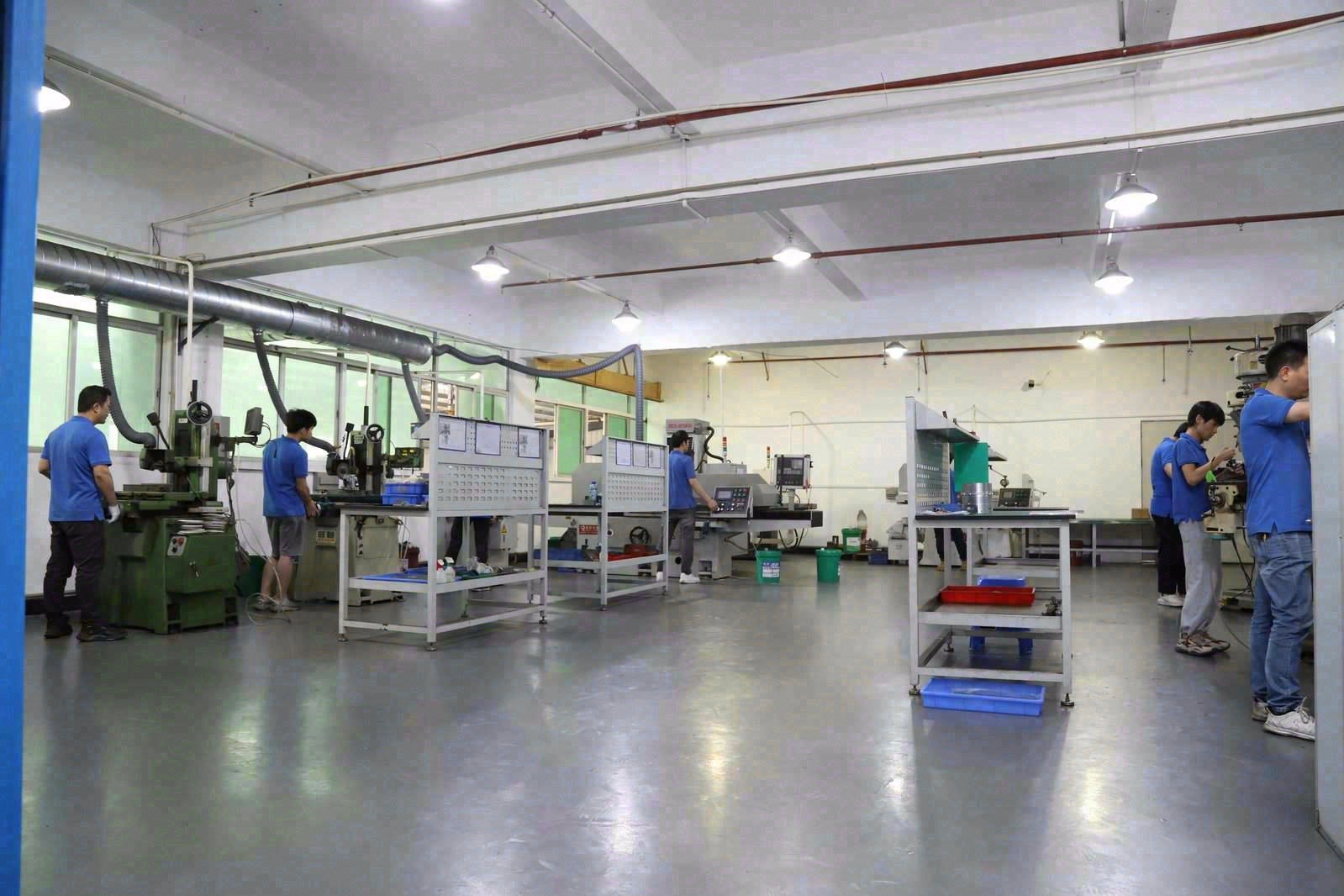
The checklist is not bureaucracy; it is the difference between managing a calendar and hoping about one. The supplier behind this site documents its machines, processes, and quality controls on the factory page and the quality page, so a buyer can run the checklist against real, published facts rather than against a sales promise. Run the checklist once, and the quoted date becomes a plan; run it on every order, and the plan becomes a habit, and a habit is the only thing that reliably beats a recurring failure mode.
The buyer's rule of thumb: map where the small delays live, then watch each one with a checkpoint. Orders rarely die of one dramatic cause; they die of many small ones that nobody was checking.
Frequently Asked Questions
Why do machining orders most often arrive late?
Almost never for one dramatic reason. They arrive late because several small delays accumulate in places nobody was watching — a drawing question answered slowly, a material release that was never confirmed, a first article that waited for approval. Each delay is small; their sum is the lateness. The defense is a plan with named checkpoints, because a calendar that is checked early catches small delays while they are still small.
Which delays are caused by the buyer before the order exists?
RFQ-stage delays travel with the order invisibly. A drawing with open questions, a missing material condition, an unclear finish, or an incoterm left unstated forces clarification rounds that consume calendar at the front. A complete RFQ — revision frozen, grade named, finish specified, delivery terms stated — removes an entire class of delay before the PO is signed.
What is the most common silent cause of a slipped machining date?
Material that was never confirmed as available or stocked. If the grade and condition are not settled at RFQ, the shop discovers the procurement need after the PO, and the procurement lead sits on the front of the calendar. Asking one question at quoting — is this material on the shelf, and if not, what is the procurement lead — prevents the most common silent delay.
How much do my own approvals affect machining delivery?
More than most buyers assume. The drawing review, the answers to technical questions, and especially the first-article approval are gates owned by you, and each day a gate waits is a day the whole order waits. Buyers who approve within an agreed window receive faster dates on the next order, because the shop has learned that approving customers are low-risk customers.
Why do parts that are ready on time still arrive late?
Because the calendar between the ready date and your dock belongs to freight, documents, and customs. Export paperwork prepared late, an incoterm that leaves the freight leg ambiguous, or a document that does not travel with the shipment can add more days than any machining stage. Decide the freight mode and the document set at quoting, not after the parts are boxed.
How should I treat outside finishing in a delivery plan?
As its own sub-schedule with its own queue. Anodizing, plating, and heat treatment are usually subcontracted, and each outside trip adds a vendor queue you cannot see. Ask which steps are outside, name the processor, and ask its current load before accepting the date. Give every outside step a check date of its own.
What single habit most improves delivery performance?
Weekly checkpoint reporting against a plan with named milestones. Five minutes of written status — what was due, what hit, what moved, what you need to provide — turns a delivery date from a hope into a managed object. Delays are caught the week they start, while they can still be corrected, instead of the week they end.
Want to run the failure-mode checklist against a real order?
Send the drawing and your target date through the contact page — the reply returns the plan with each checkpoint, owner, and the defense for every delay mode that could touch your part.